
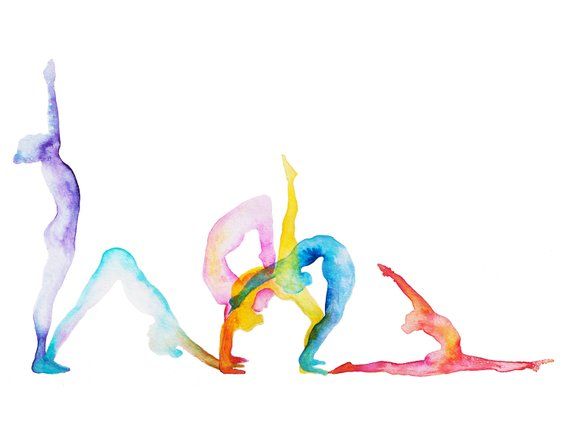
“One Breath” by LaureBPaintings, Available for Purchase on Etsy! I woke up tired this morning after a second night of tossing and turning and realized I had strained a muscle in my shoulder while I slept. Mulling it over, I decided to be very gentle in my Ashtanga Yoga practice today. Given the amount of […]Continue reading “February Yoga Challenge: Day 5, How do you flow? — So Many Thoughts. . .”
Author Archives: aubreym3
February Yoga Challenge: Day 4, Where do you base your worth? — So Many Thoughts. . .

Human and universe power, watercolor painting by Benjavisa Ruangvaree – Dreamstime.com When I stopped and did yoga today, I realized I base my practice on my mindset for that day. Today, with so many heavy thoughts I wondered, what gives my yoga practice meaning? Is it doing harder poses or remembering to breath in all […]Continue reading “February Yoga Challenge: Day 4, Where do you base your worth? — So Many Thoughts. . .”
The Man Who Laughs (1928): Echoes From German Expressionism
Based on Victor Hugo‘s 1889 novel L’Homme qui rit (1889), The Man Who Laughs is an American silent film directed by German Expressionist filmmaker Paul Leni during the transition between silent films and “talkies” (films with sound). I became interested in this film after I read a review by Roger Ebert, who portrayed it as “a melodrama, at times even aContinue reading “The Man Who Laughs (1928): Echoes From German Expressionism”
February Yoga Challenge: Day 3, What do you want to do? — So Many Thoughts. . .

Chakra Watercolor Meditation Yoga Painting via dlpng.com Yoga today was difficult but good because I noticed the root of my problems was very simple. I don’t know what I want. So often, when I come to my parents, siblings, or friends with my concerns, they ask me what I want to do. Every time someone […]Continue reading “February Yoga Challenge: Day 3, What do you want to do? — So Many Thoughts. . .”
My Favorite Animated Scenes: 30-21
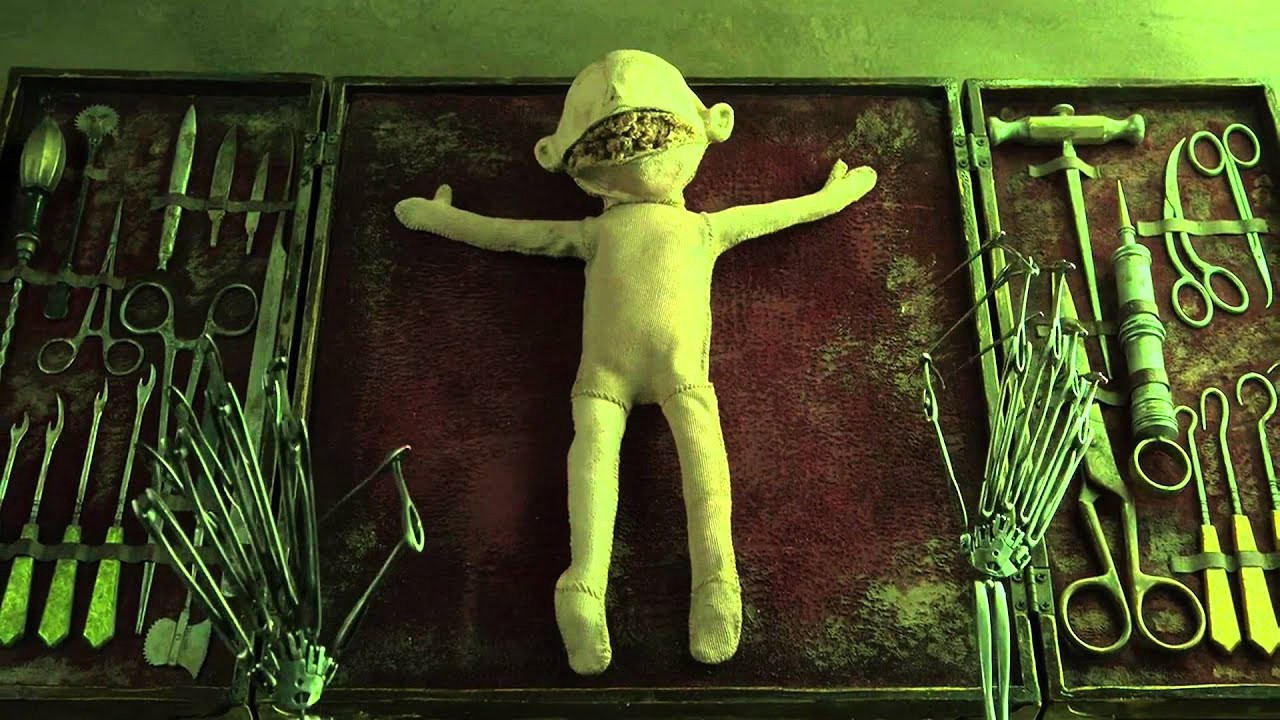
30. Metropolis (2001)-Sunlight Catching This scene is from Rintaro‘s famous animated film adaptation of Osamu Tezuka‘s 1949. Its earliest roots come from Fritz Lang‘s infamous silent film of the same name. Both Fritz Lang and Rintaro conveyed through cinematography the consequences of playing God by suppressing and using people. This particular scene represents hope. I love how theContinue reading “My Favorite Animated Scenes: 30-21”

